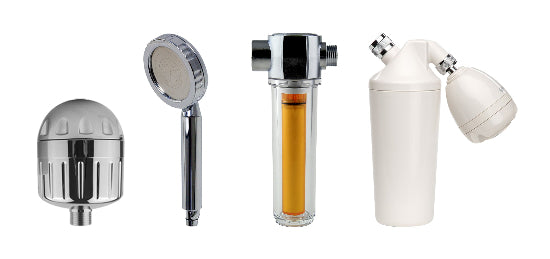
I remember a homeowner who installed a shower filter after reading reviews about chlorine removal. A month later, they called me frustrated. Their hair felt slightly better, but the bathroom still smelled like a pool, and scale kept building up on the glass. The filter wasn’t broken. It just wasn’t built to solve everything they were dealing with.
What shower filters actually do well
Shower filters are point-of-use devices. They treat water at a single location, usually by reducing chlorine or certain odors. For people who are sensitive to disinfectant smell or experience mild skin irritation, this can provide noticeable relief.
I’ve seen them help renters or apartment dwellers who can’t modify plumbing. One client told me their skin stopped feeling tight after showers within a week. That result made sense—the filter was reducing what bothered them most, right where it mattered.
What shower filters don’t do is handle volume or duration well. The media inside is small, and hot water moves fast. Once the filter is exhausted, performance drops quickly. Many people forget to replace them on time and assume the results “wore off.”
Where whole-house filters change the experience
Whole-house filters treat water as it enters the home. That means showers, sinks, laundry, and appliances all see the same conditioned water. In my experience, this is where people notice broader, more consistent improvements.
I worked with a family last year who complained about chlorine smell, dry skin, and stiff towels. A whole-house carbon filter addressed all three at once. The showers felt different, laundry softened up, and the kitchen no longer smelled chemical when hot water ran. That’s the advantage of treating water before it spreads through the system.
Whole-house systems don’t fix everything, though. They won’t soften hard water unless paired with a softener, and they require space and maintenance. They’re an investment, not a quick add-on.
Common mistakes I see homeowners make
The biggest mistake is expecting a shower filter to fix whole-home issues. If scale is forming on fixtures or laundry feels rough, a shower filter won’t touch the cause. Another mistake is assuming a whole-house filter will solve skin or hair issues rooted in hardness. Filtration and softening are different tools.
I’ve also seen people judge results too quickly. Some benefits show up fast, others take weeks as residue clears from pipes, fixtures, and fabrics.
Choosing based on how you actually live
The right choice depends on where the problem shows up. If the issue is limited to one shower and you need a low-commitment solution, a shower filter can help. If the water bothers you everywhere—bathrooms, kitchen, laundry—a whole-house filter delivers more consistent results.
After years of seeing both options succeed and disappoint, I’ve learned that real results come from matching the solution to the symptom. When the water entering the home is treated at the right level, the improvement feels less like a trick and more like a quiet upgrade to daily life.