After more than a decade working as a coastal structural inspector and marine construction professional, I’ve learned that Seawall Inspection is one of the most misunderstood steps in waterfront property ownership. Many people think inspections are only necessary when something looks wrong. In my experience, the most valuable inspections are the ones done while everything still appears normal.
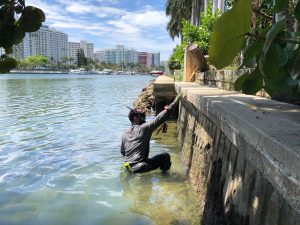
I still remember an inspection early in my career where a homeowner called me out simply because their yard felt “spongy” near the seawall after rain. There were no visible cracks, no leaning, nothing dramatic. But once I checked behind the wall, it was clear that water had been moving soil out through small gaps for quite some time. The structure hadn’t failed—it was quietly being undermined. That inspection changed how I approach every job. What you can’t see is usually more important than what you can.
One of the most common mistakes I see is relying on surface-level checks. People walk the seawall, look at the cap, maybe note a stain or two, and assume that tells the whole story. It doesn’t. I’ve inspected walls that looked straight and clean from above but had significant corrosion below the waterline. Saltwater doesn’t announce itself. It works slowly, and by the time damage becomes obvious, options are usually more limited and more expensive.
In my experience, inspections are also where bad assumptions get corrected. I once evaluated a seawall that had been patched multiple times over the years. Each repair addressed what was visible, but none dealt with why water kept finding its way through the same area. During the inspection, it became clear that pressure was building behind the wall during heavy rain. Once that was understood, the solution became obvious—and it wasn’t another patch.
Another thing you learn after years in this field is how much timing matters. A seawall inspected during a dry stretch can behave very differently after weeks of rain or increased tidal activity. I always ask property owners what they notice during storms or seasonal changes. Those casual observations often point me toward issues that wouldn’t show up during a quick visual check on a calm day.
Seawall inspections aren’t about predicting collapse or creating alarm. They’re about understanding how a structure is aging and how water is interacting with it over time. The walls that last the longest aren’t necessarily the newest—they’re the ones that were monitored, understood, and addressed before small issues had a chance to grow.
After years of walking docks, probing backfill, and evaluating walls that range from brand new to decades old, one thing has stayed consistent: seawalls speak quietly. An inspection is how you learn to listen.