I work as a residential buyer’s agent focused on Queen Creek and the surrounding southeast Valley, where I spend much of my week touring resale homes, checking new-build communities, and reviewing contracts. I have walked properties where the photos hid drainage concerns, awkward lot placement, or a surprisingly long drive to the buyer’s daily destinations. Queen Creek can offer generous floor plans and newer neighborhoods, but each purchase still needs careful local judgment. My role is to help buyers separate an attractive listing from a home that truly fits their plans.
I Start With Daily Life, Not Listing Photos
Before I schedule a showing, I ask buyers how they expect to use the home on a normal Tuesday. A household with two remote workers may need separate offices, while a family with three vehicles may care more about driveway depth and garage storage. Some buyers want a large backyard, yet they have not considered the time or cost required to maintain it during an Arizona summer. That changes the search.
I also ask about work locations, school routines, medical appointments, and weekend habits. A property can appear close to everything on a map while still creating a tiring daily drive because of road patterns and peak-hour traffic. One couple I worked with initially focused on maximum square footage, but after testing the commute twice, they chose a slightly smaller house several miles closer to their regular route. They enjoyed the home more because the location supported their schedule.
My first search usually contains fewer than 20 serious candidates. I would rather review a focused group than send a buyer dozens of homes that miss clear requirements. I look at lot orientation, garage configuration, bedroom placement, nearby land use, and visible signs that could affect comfort. This early filtering saves energy for the properties that deserve an in-person visit.
Local Representation Matters During the Search
Queen Creek buyers often compare recently completed homes, older custom properties, and houses inside expanding master-planned communities during the same week. Those choices can involve different contracts, utility arrangements, lot conditions, and maintenance expectations. A buyer may love the clean finish of a model home but prefer the larger yard and established improvements found in a resale property. I help put those differences into practical terms.
Buyers who want focused local representation can work with a queen creek az home buyers agent who understands how neighborhood details can influence a purchase. I use that local focus to identify questions that may not occur to someone viewing the home for the first time. The goal is not to talk a buyer into or out of a property. I want the buyer to understand exactly what is being considered.
During showings, I pay attention to details beyond countertops and flooring. I look at where afternoon sun reaches the main living spaces, how neighboring windows face the yard, and whether a three-car garage actually provides three useful parking spaces. A few inches around a storage cabinet or water heater can change how a garage functions. The details matter.
Last spring, I toured a home with buyers who were drawn to a polished kitchen and a large covered patio. During our second visit, we noticed that the backyard privacy felt different in the late afternoon because several neighboring windows had a direct view into the seating area. The buyers did not reject the home immediately, but they adjusted their offer to reflect the cost of adding screening and landscaping. That second visit gave them information the original photos could not provide.
I Treat New Construction as a Negotiated Purchase
New construction can feel simple because the sales office presents a clear process, but the builder’s representative works for the builder. I accompany buyers when possible, review the available lots, and help compare the base price with the likely finished cost. Flooring, window coverings, backyard work, appliances, and lighting changes can add several thousand dollars after closing. A lower advertised price does not always produce the lower total expense.
Lot selection deserves more attention than many buyers expect. I consider the position of community entrances, future roads, drainage areas, walking paths, utility equipment, and neighboring lots that may still be empty. A premium lot can make sense when it provides a lasting benefit, such as useful space or reduced rear exposure. I become cautious when the premium is based mainly on a temporary view across land that may later be developed.
I also encourage buyers to visit the community at least twice. A weekday morning can reveal construction traffic and school activity, while an evening visit shows lighting, parking, and neighborhood noise. One buyer I assisted liked a particular model but discovered during a 7 p.m. visit that the planned route home felt less convenient than expected. We moved the search to another section of Queen Creek before signing a contract.
Builder incentives require close comparison. A credit toward closing costs may be helpful, but it should be reviewed beside the interest rate, lender fees, upgrade pricing, and any conditions attached to the offer. I ask buyers to evaluate the full loan estimate rather than focusing on one highlighted benefit. A promotion has value only when the complete numbers support the buyer’s priorities.
Resale Homes Require Careful Observation
With resale properties, I study the condition as well as the price. Arizona homes can present concerns involving roof underlayment, air-conditioning performance, exterior paint, irrigation systems, pool equipment, and signs of water movement around the lot. I am not a licensed inspector, so I do not diagnose defects. I point out visible concerns and help buyers bring in qualified professionals.
I encourage buyers to keep enough room in their budget for ownership after closing. A home may appraise and still need repairs that affect the first year of expenses. During one purchase, an inspection identified an aging air-conditioning component and several smaller electrical items. The total was manageable, but the buyer negotiated a credit and preserved cash for the work rather than spending every available dollar on the down payment.
A well-maintained home can still have features that do not suit a particular buyer. An upstairs laundry room may be convenient for one household and frustrating for another, while a downstairs primary suite can create privacy concerns for parents with young children. I ask buyers to walk through their routines room by room. Five minutes spent imagining an ordinary morning often reveals more than another discussion about decorative finishes.
I also review seller disclosures carefully and compare them with what we see during the visit. A repaired leak, previous insurance claim, or replaced air-conditioning unit is not automatically a reason to walk away. I want supporting details, repair documentation when available, and an inspection that examines the relevant area. Clear information allows the buyer to judge the issue without unnecessary fear.
A Strong Offer Is More Than a High Price
When a buyer chooses a property, I build the offer around the home, the competition, and the buyer’s risk tolerance. Price matters, but so do the financing terms, inspection period, closing schedule, appraisal language, and requested concessions. I never recommend removing an important protection simply to make an offer appear aggressive. The buyer must remain comfortable with the possible outcomes.
I review nearby sales and active competition, while recognizing that no two Queen Creek homes are identical. Lot size, upgrades, pool condition, solar arrangements, garage depth, and community location can create meaningful differences between properties with similar square footage. I explain where the comparison is strong and where it becomes an opinion. That honesty is more useful than pretending a single number is unquestionably correct.
In a multiple-offer situation, clean communication can help. I confirm the lender is ready, make sure the documents are complete, and provide the listing agent with a clear summary of the buyer’s terms. One family I represented did not submit the highest offer, but their financing was well prepared and their requested timeline matched the seller’s move. The seller selected their offer because the overall structure felt dependable.
Negotiation continues after acceptance. Inspection findings, appraisal results, title questions, and final walk-through issues may require calm decisions under tight deadlines. I organize the information, explain the available choices, and keep the buyer focused on the original reasons for purchasing the home. A repair request should address meaningful concerns rather than becoming a second attempt to renegotiate every cosmetic flaw.
I Stay Involved Through Closing
Once the contract is signed, I track the major dates and coordinate with the lender, inspector, title team, listing agent, and other professionals involved in the purchase. A typical transaction contains several deadlines that can arrive quickly, especially during the first 10 days. Missing one can weaken a buyer’s position. I keep the process visible so decisions are made before urgency takes over.
The final walk-through is another working appointment, not a ceremonial visit. I check that agreed repairs appear complete, included items remain at the property, and the home is in the expected condition. Buyers should test key features and compare the property with their inspection notes or repair agreement. If something has changed, I address it before closing rather than assuming it will be easy to solve later.
I also remind buyers that closing day is a financial security point. Wiring instructions should be verified through a trusted phone number, and unexpected email changes should be treated cautiously. Funds involving tens of thousands of dollars deserve direct confirmation. A few careful minutes can prevent a serious problem.
My best Queen Creek purchases are rarely the ones with the most dramatic story. They are the homes where the buyer understood the neighborhood, accepted the property’s tradeoffs, protected important contract rights, and kept enough financial room for life after closing. I want clients to receive their keys feeling informed rather than relieved that the process is finally over. That is the standard I bring to every search.
![Order General Tso's Restaurant & Catering - Atlanta, GA Menu Delivery [Menu & Prices] | Atlanta - DoorDash](https://img.cdn4dd.com/cdn-cgi/image/fit=cover,width=600,height=400,format=auto,quality=80/https://doordash-static.s3.amazonaws.com/media/store/header/58bc7484-5e94-4d24-a65b-ee0d8d59248a.jpg)



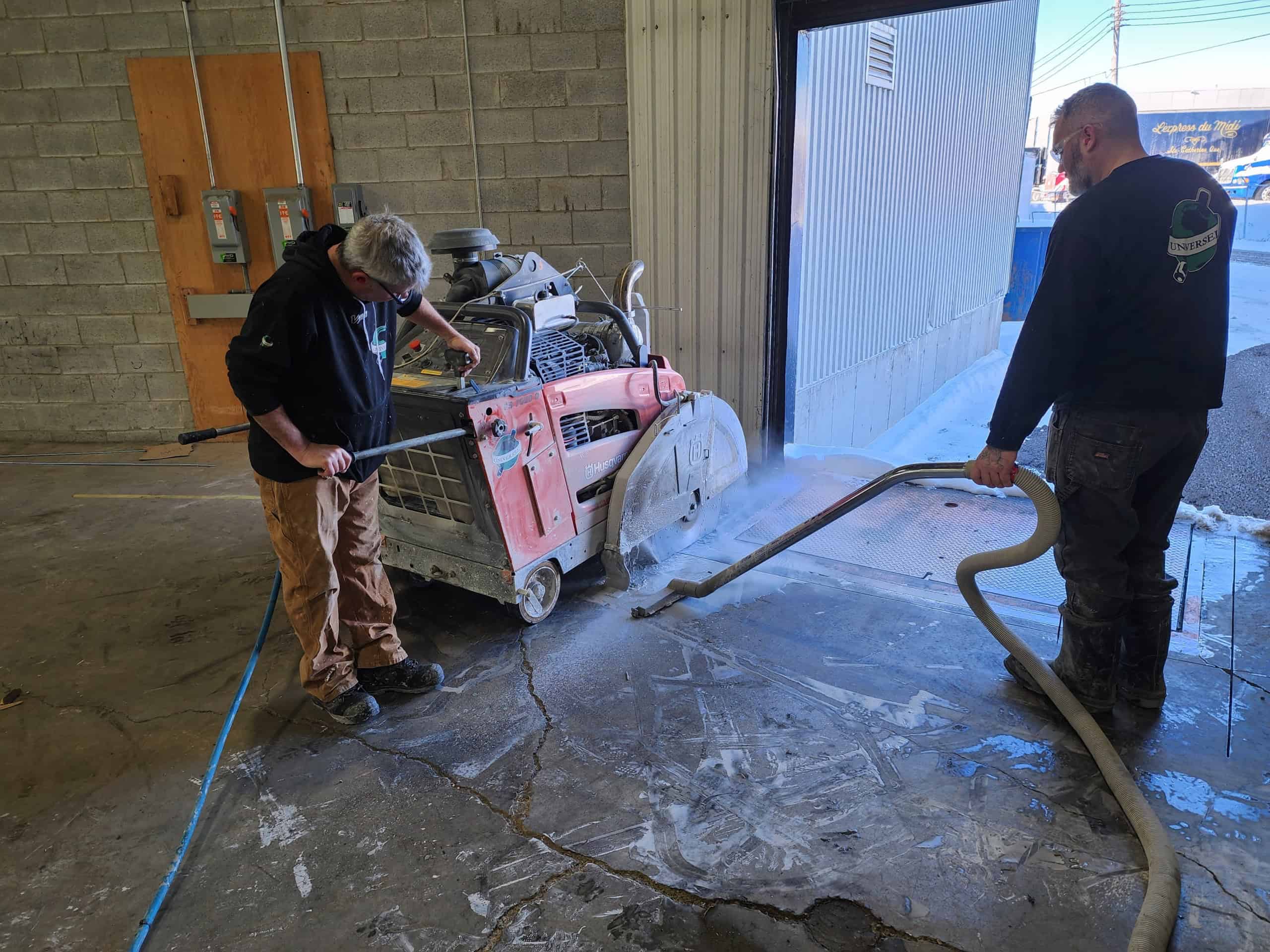 Early in my career, I worked on a warehouse project in the east end of Montreal where the client wanted to move fast. The building footprint was large, and the slab needed to support high-racking systems and constant forklift traffic. The schedule was tight, and there was pressure to accelerate the base preparation. I remember standing on that subgrade after a stretch of rain, noticing subtle pumping in certain areas when equipment rolled over it. It wasn’t dramatic, but I’d seen that warning sign before. We paused the job and brought in additional compaction and granular material. It added time upfront, but a year later I visited the site and the slab was still performing beautifully. Had we rushed it, we would have been dealing with cracking and settlement within months.



 When I first got licensed, I assumed the process was mostly a formality. Fill out the application, pass the exam, pay the fee, and get to work. In reality, the license is less about permission and more about accountability. It ties you to insurance thresholds, bond requirements, continuing education, and—most importantly—legal responsibility if something goes wrong. I didn’t really grasp that until I took over a half-finished kitchen remodel where the previous contractor had no valid license at the time the permit was pulled. The homeowner didn’t know, the inspector didn’t catch it initially, and by the time I arrived, the city had red-tagged the project. The fix cost months and several thousand dollars, none of which the original contractor was legally obligated to cover.

 The first time I hired a cleaning service, I felt like I was surrendering. I’d spent the previous weekend chasing dust around the house, only to find a fresh coat settling on my shelves the next morning. I remember brushing my hand across the console table and seeing a new layer already forming. I mentioned it to the cleaner who came by, and she laughed kindly and said, “This is the foothills—dust wins if you play by city rules.” That was the moment I stopped blaming myself and started reevaluating how cleaning actually works out here.