I’m a homeowner now, but before that I spent close to a decade managing short-term rental properties. Turnovers were constant, expectations were unforgiving, and cleaning wasn’t a nice-to-have—it was the difference between five-star reviews and messages I’d be answering for weeks. That background changed how I hear phrases like Hocus Pocus, I don’t think of theatrics or clever branding. I think of whether the work holds up once guests arrive or real life starts happening in a space.

The first time I really understood that distinction was during a rushed turnover in peak season. A cleaner promised everything was handled. Floors looked fine, bathrooms smelled clean, and on the surface, it passed. Two days later, a guest complained about sticky cabinet handles and grit in the window tracks. That wasn’t a dramatic failure, but it was enough to break trust. I learned quickly that real cleaning shows up in the places people don’t notice until something goes wrong.
In my experience, what people call “magic” in cleaning is usually just patience and follow-through. I’ve worked with crews who moved fast and left things looking acceptable, and with others who slowed down, asked questions, and treated each space differently. The latter always performed better over time. One rental I managed had older wood floors and high humidity. A quick mop made them look shiny for photos, but it left residue that dulled the finish within days. The crew that took the time to adjust products and technique kept those floors looking better for weeks, not hours.
After moving into my own home following a renovation, those lessons came back immediately. The house was technically clean, but it didn’t feel finished. Dust reappeared along baseboards, drawers felt gritty, and bathrooms had that lingering construction smell that tells you surfaces were rushed. I was reminded that “Hocus Pocus” only works if the spell includes the unglamorous parts of the job.
One mistake I see homeowners make—and something I nearly did myself—is assuming all cleaning services define “done” the same way. Some clean for speed. Some clean for appearance. Very few clean with the expectation that someone will live there, touch everything, and notice patterns over time. The difference isn’t obvious in the first hour. It shows up days later, when the space either stays settled or starts to feel off again.
Having been on both sides, I’m skeptical of big promises and drawn to quiet consistency. When cleaning is done properly, you stop thinking about it. Surfaces stay neutral. Floors don’t feel tacky. Air feels lighter without being perfumed. That’s the kind of result people sometimes label as magic, even though it’s really just care applied evenly.

 When I first got licensed, I assumed the process was mostly a formality. Fill out the application, pass the exam, pay the fee, and get to work. In reality, the license is less about permission and more about accountability. It ties you to insurance thresholds, bond requirements, continuing education, and—most importantly—legal responsibility if something goes wrong. I didn’t really grasp that until I took over a half-finished kitchen remodel where the previous contractor had no valid license at the time the permit was pulled. The homeowner didn’t know, the inspector didn’t catch it initially, and by the time I arrived, the city had red-tagged the project. The fix cost months and several thousand dollars, none of which the original contractor was legally obligated to cover.

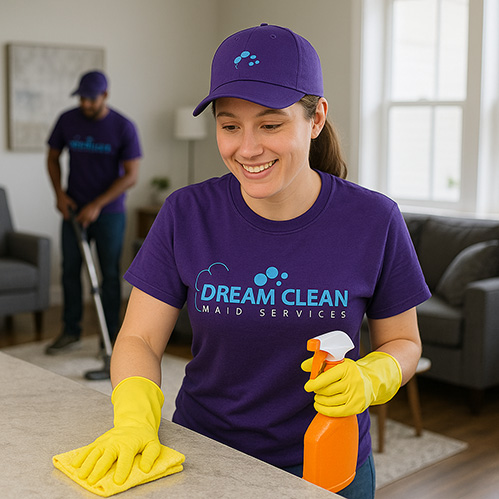 The first time I hired a cleaning service, I felt like I was surrendering. I’d spent the previous weekend chasing dust around the house, only to find a fresh coat settling on my shelves the next morning. I remember brushing my hand across the console table and seeing a new layer already forming. I mentioned it to the cleaner who came by, and she laughed kindly and said, “This is the foothills—dust wins if you play by city rules.” That was the moment I stopped blaming myself and started reevaluating how cleaning actually works out here.